.png&w=128&q=75)


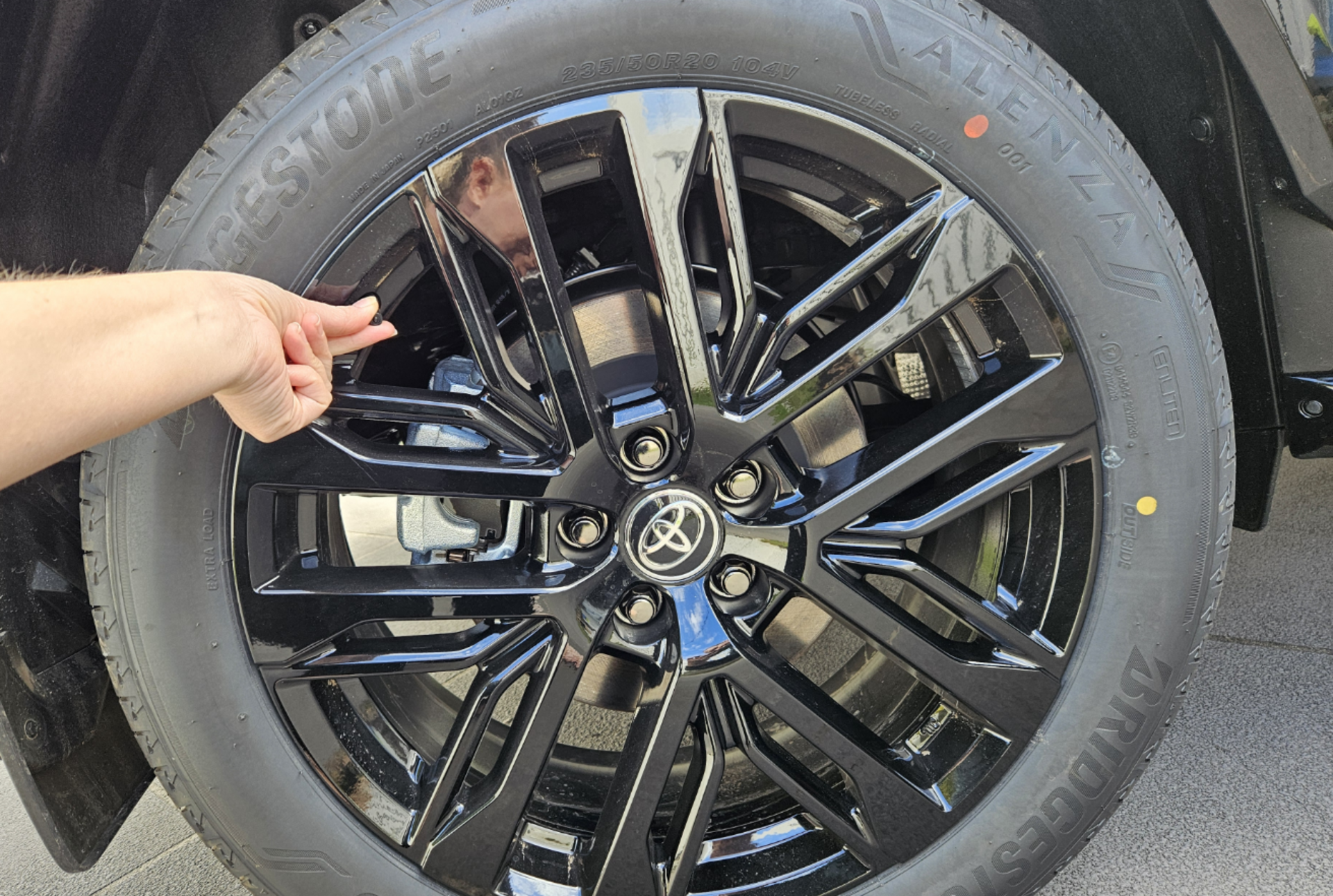
How to Check Your Toyota Tyre Pressure (And Why It Matters)
Posted in Car Care Maintenance
How to Check Your Toyota Tyre Pressure (And Why It Matters)
Your Toyota's tyre pressure plays a crucial role in safety, fuel efficiency, handling and tyre life. Checking tyre pressure regularly is one of the simplest maintenance tasks you can perform, yet many drivers only think about it when a warning light appears.
Whether you're commuting around the Sunshine Coast, heading to Brisbane or planning a road trip, maintaining the correct tyre pressure helps ensure your Toyota performs exactly as it was designed to.
Quick Answer: How Do You Check Tyre Pressure?
You can check your Toyota's tyre pressure manually using a tyre pressure gauge or, on some Toyota models, by viewing the tyre pressure readings in the Multi Information Display (MID) through the steering wheel controls.
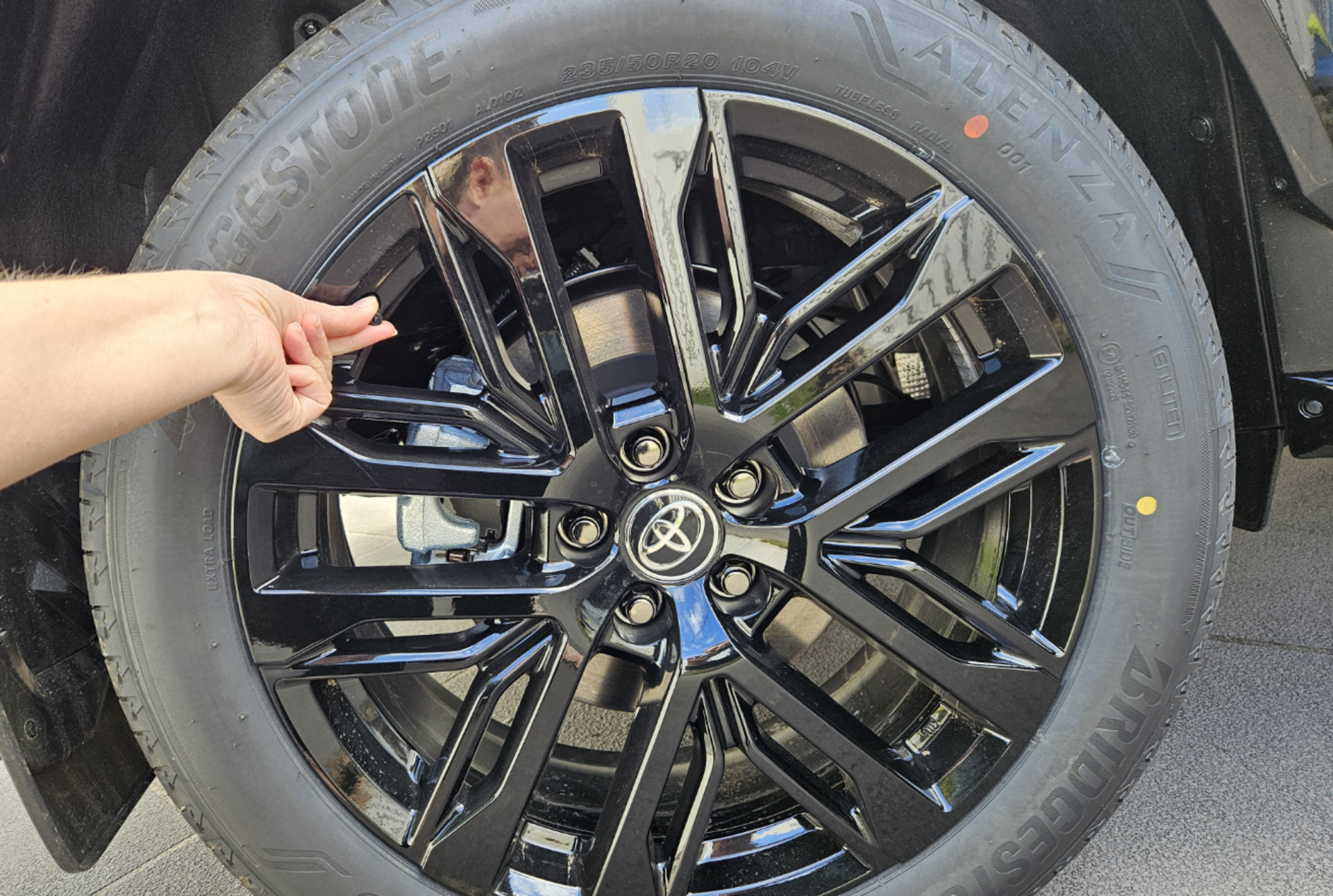
To check your Toyota's tyre pressure:
- Ensure the tyres are cold.
- View tyre pressures in the Multi Information Display if your Toyota is equipped with this feature.
- Alternatively, remove the valve cap and use a tyre pressure gauge.
- Compare the reading with the recommended pressure shown on your driver's door placard.
- Add or release air as needed.
- Recheck the pressure.
- Repeat for all tyres, including the spare.
Toyota recommends checking tyre pressures at least once a month and before long journeys, even if your vehicle features a Tyre Pressure Monitoring System (TPMS).
Why Is Correct Tyre Pressure Important?
Maintaining the correct tyre pressure isn't just about avoiding a dashboard warning light. It directly affects safety, running costs and vehicle performance.
Safety
Underinflated tyres generate excessive heat and can significantly impact braking performance, steering response and overall vehicle stability.Correct tyre pressures help maximise tyre grip and ensure your Toyota handles safely in both wet and dry conditions.
Fuel Efficiency
Low tyre pressure increases rolling resistance, forcing your engine to work harder and consume more fuel.Properly inflated tyres can help improve fuel economy and reduce running costs over time.
Tyre Life
Incorrect tyre pressure often causes uneven tyre wear. This means you may need to replace tyres sooner than expected.Maintaining the correct pressure helps tyres wear evenly and last longer.
Driving Comfort
Toyota engineers carefully tune suspension and tyre settings to deliver a comfortable ride. Incorrect tyre pressure can result in a harsher ride, increased road noise and reduced handling performance.
How Often Should You Check Your Toyota's Tyre Pressure?
Most tyre manufacturers and Toyota service experts recommend checking tyre pressures at least once a month.
You should also check tyre pressures:
- Before long road trips
- Before towing a trailer or caravan
- After significant temperature changes
- When carrying heavier loads
- If a tyre pressure warning light appears
- Before extended highway driving
Expert Tip from Sunshine Toyota
Many tyre pressure warnings occur during cooler mornings on the Sunshine Coast. Temperature changes naturally cause tyre pressures to fluctuate, which is why regular checks are important, even when no warning lights are displayed.
Where Can You Find the Correct Tyre Pressure for Your Toyota?
One of the most common mistakes drivers make is using the pressure listed on the tyre sidewall.
The number printed on the tyre sidewall shows the tyre's maximum pressure rating, not the recommended operating pressure for your vehicle.
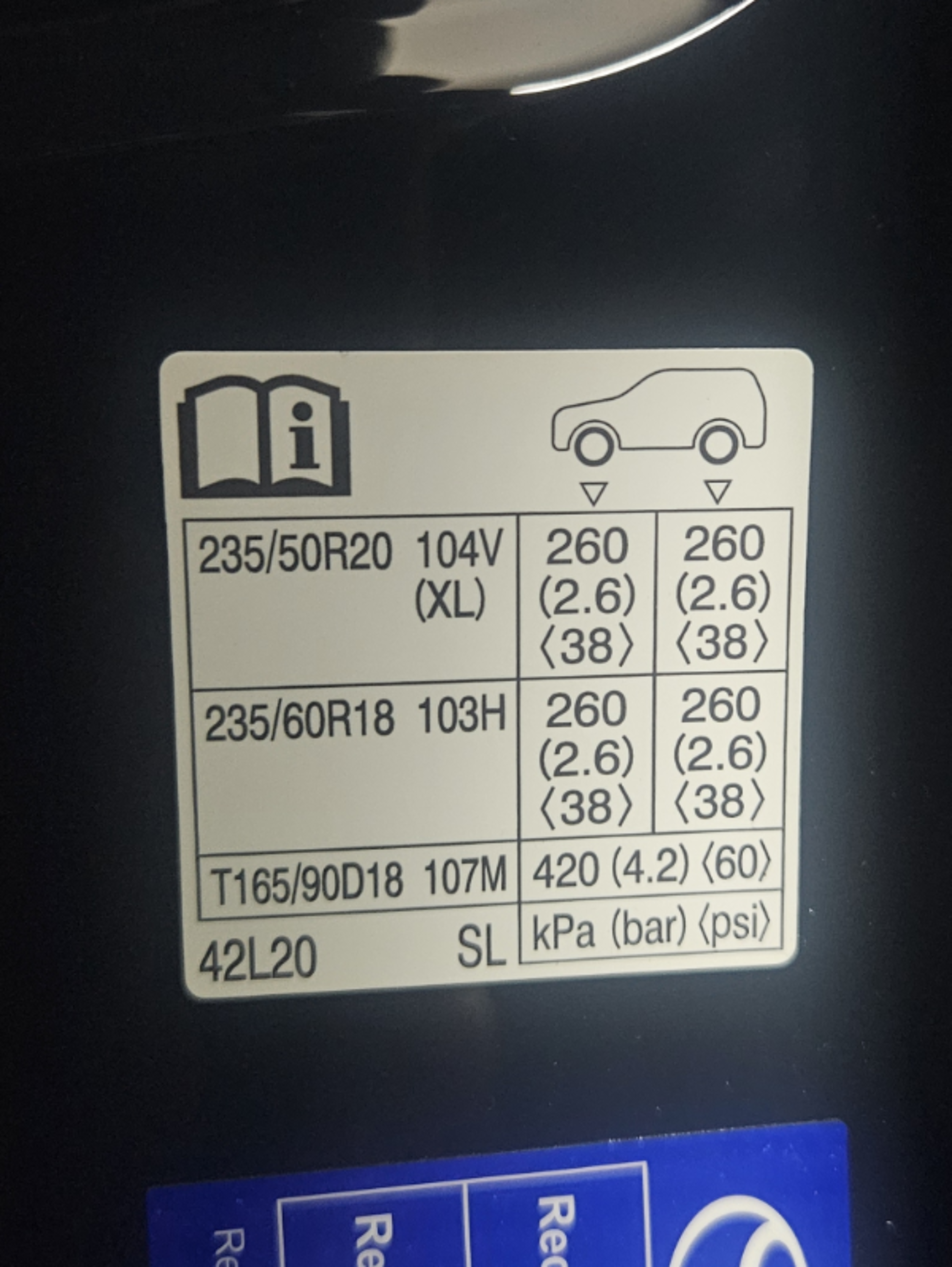
Instead, check:
- The tyre placard inside the driver's door jamb
- The information label inside the vehicle
- Your Toyota Owner's Manual
For example, many Toyota models may recommend:
| Position | Recommended Pressure |
|---|---|
| Front Tyres | 260 kPa (38 PSI) |
| Rear Tyres | 260 kPa (38 PSI) |
However, tyre pressures vary by model, wheel size, load and towing requirements.
Always follow the specifications for your particular Toyota.
What Do You Need to Check Tyre Pressure?
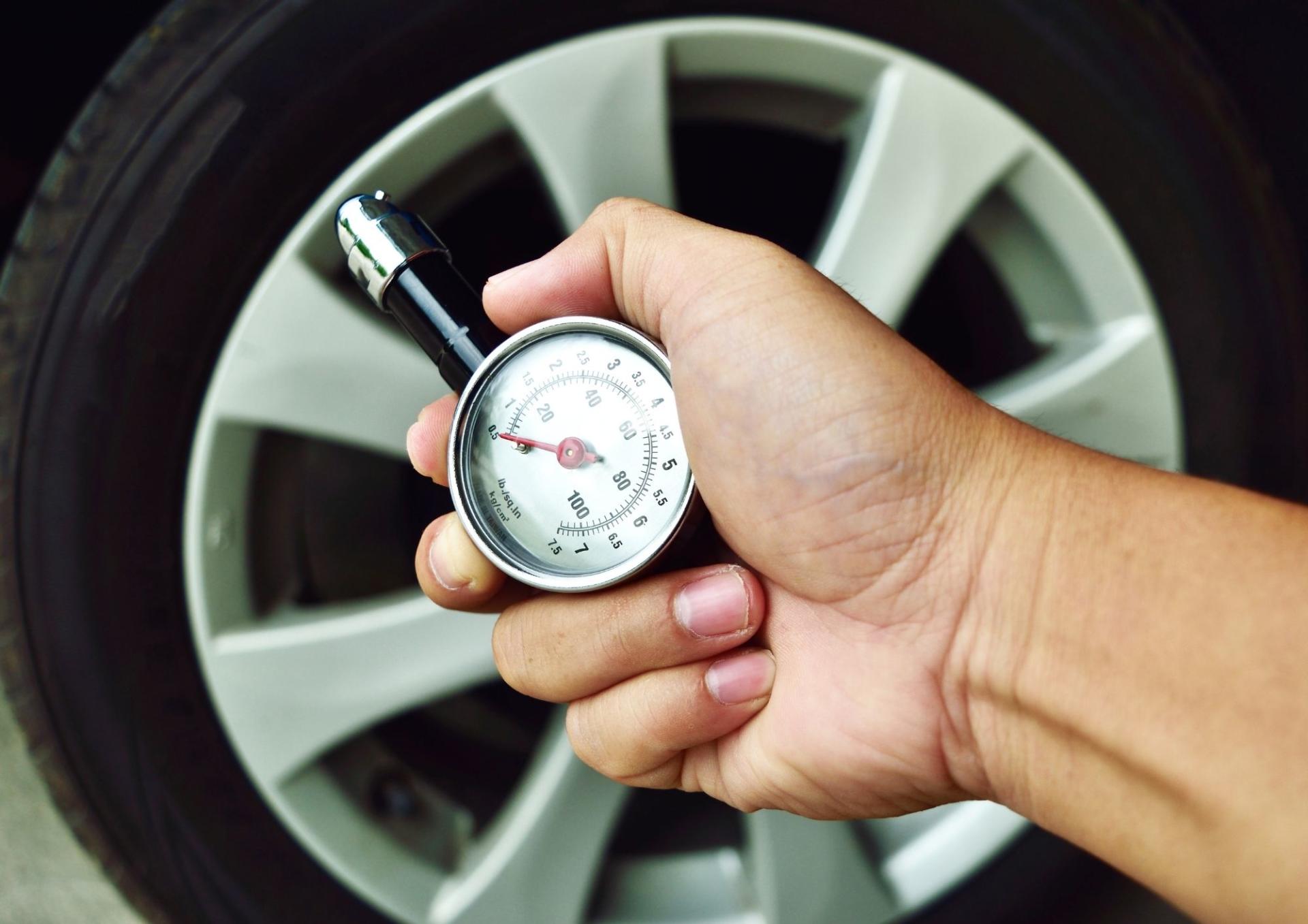
Checking tyre pressure requires only a few simple tools.
You can use:
- A handheld tyre pressure gauge
- A digital pressure gauge
- A service station air compressor
- A portable tyre inflator with built in gauge
Digital gauges generally provide the easiest and most accurate readings.
Can I Check Tyre Pressure on My Toyota Dashboard?
Many newer Toyota models equipped with a Tyre Pressure Monitoring System (TPMS) can display individual tyre pressures in the Multi Information Display (MID).
Depending on your Toyota model, you can often access tyre pressure information by:
- Using the steering wheel controls.
- Navigating to the Vehicle Information or TPMS menu within the Multi Information Display.
- Viewing the pressure readings for each tyre.
The exact menu layout varies between Toyota models and model years, so refer to your Toyota Owner's Manual for vehicle-specific instructions.
It's important to remember that even if your Toyota displays tyre pressures on the dashboard, Toyota still recommends regular tyre inspections and pressure checks as part of your routine vehicle maintenance.
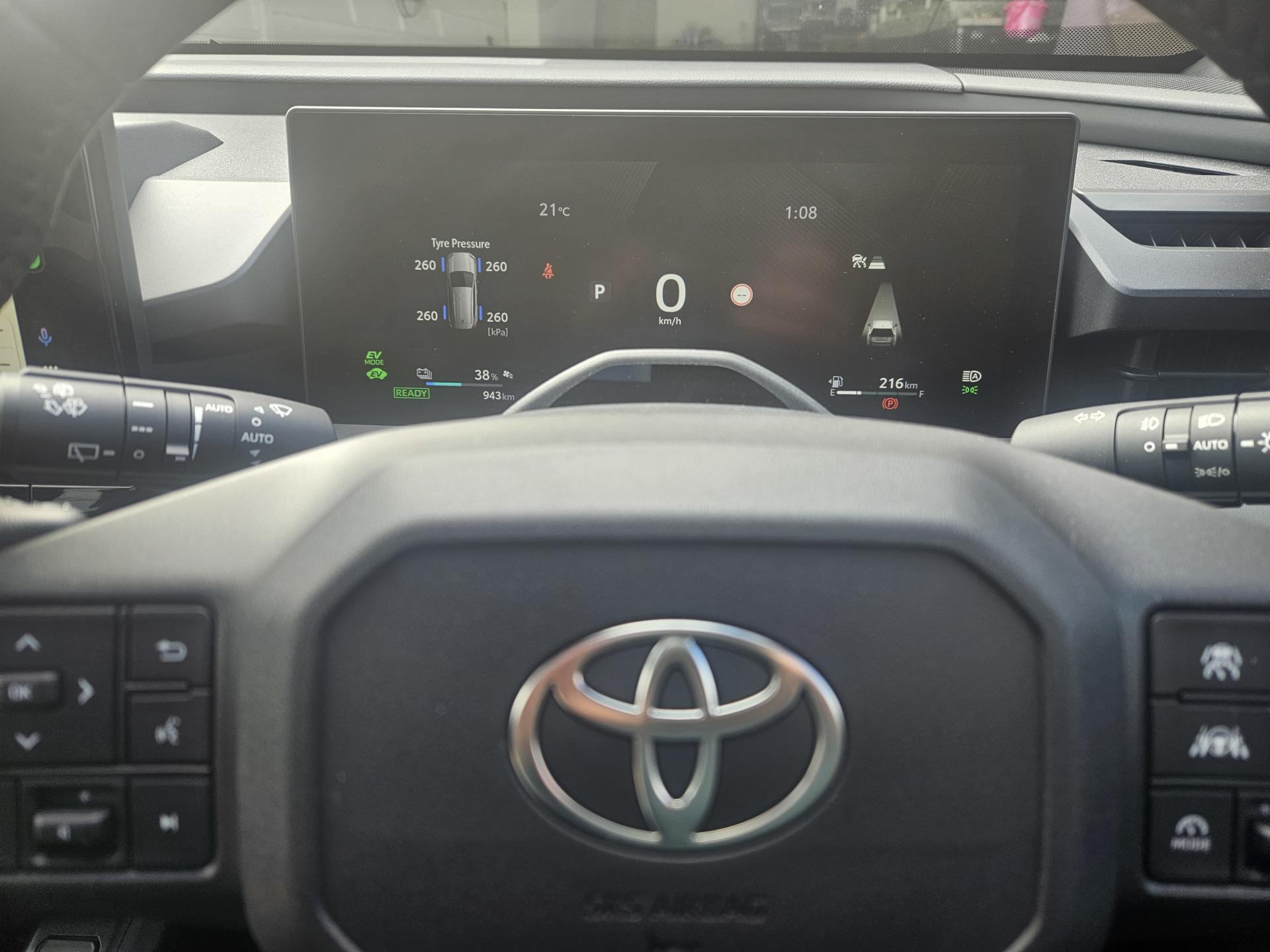
How Do You Check Tyre Pressure Step by Step?
Option 1: Check Tyre Pressure Using Your Toyota's Multi Information Display
If your Toyota is equipped with tyre pressure monitoring and tyre pressure display functionality:
- Turn the vehicle on.
- Use the steering wheel controls to navigate through the Multi Information Display.
- Locate the Tyre Pressure or Vehicle Information screen.
- Review the pressure readings displayed for each tyre.
- Compare the readings with the recommended pressures listed on your tyre placard.
If a tyre is below the recommended pressure, inflate it and recheck the reading.
Option 2: Check Tyre Pressure Manually
Step 1: Check Tyres When Cold
For the most accurate reading, check tyre pressures before driving or after the vehicle has been parked for several hours.
Step 2: Remove the Valve Cap
Unscrew the valve cap from the tyre and place it somewhere safe.
Step 3: Measure the Pressure
Press the tyre pressure gauge firmly onto the valve stem until you get a reading.
Step 4: Compare with Toyota's Recommended Pressure
Check the reading against the tyre pressure listed on your vehicle's tyre placard.
Step 5: Adjust the Pressure
Add or release air until the correct pressure is reached.
Step 6: Recheck the Reading
Always verify the final pressure after adjustment.
Step 7: Repeat for Every Tyre
Don't forget:
- Front tyres
- Rear tyres
- Spare tyre (if fitted)
What Does the Toyota Tyre Pressure Warning Light Mean?
Many modern Toyota vehicles are equipped with a Tyre Pressure Monitoring System (TPMS).
This system monitors tyre pressures and alerts you if one or more tyres may be underinflated.
Common TPMS alerts may include:
- Adjust Pressure
- Tyre Pressure Very Low
- Immediately Check Tyre When Safe
- Tyre Air Leaking, Visit Nearest Dealer
If a warning appears:
- Safely stop when possible.
- Check your tyre pressures.
- Inspect the tyres for visible damage.
- Inflate tyres if required.
- Arrange an inspection if the warning remains active.
It's important to remember that TPMS is a supplementary safety feature and should not replace regular manual tyre pressure checks.
Why Does Tyre Pressure Change With Weather?
Tyre pressure naturally changes as temperatures rise and fall.
When temperatures decrease:
- Air contracts
- Tyre pressure drops
When temperatures increase:
- Air expands
- Tyre pressure rises
This explains why many Toyota owners notice tyre pressure warnings during colder mornings or seasonal weather changes.
What Are the Most Common Tyre Pressure Mistakes?
Waiting for the Warning Light
Many drivers only check tyre pressures after seeing a warning light.
In reality, tyre pressure can be below optimal levels long before a warning activates.
Ignoring the Spare Tyre
A spare tyre that hasn't been checked may be unusable when you need it most.
Using the Sidewall Pressure
The tyre sidewall displays the maximum tyre pressure rating, not Toyota's recommended operating pressure.
Not Rechecking After Inflation
Always confirm the final pressure after adding or releasing air.
When Should You Visit a Toyota Service Centre?
Arrange a tyre inspection if:
- A tyre continually loses pressure
- TPMS warnings appear regularly
- You notice uneven tyre wear
- The tyre has cuts, cracks or punctures
- You're unsure of the correct tyre pressure for your Toyota
At Sunshine Toyota, our factory trained technicians can inspect tyre condition, check TPMS functionality and ensure your vehicle is ready for safe driving.
Tyre Pressure: At a Glance
| Condition | Potential Impact |
|---|---|
| Underinflated Tyres | Increased wear, poor fuel economy, overheating, longer braking distances |
| Correctly Inflated Tyres | Optimal safety, fuel efficiency, comfort and tyre life |
| Overinflated Tyres | Reduced grip, harsher ride, uneven centre tread wear |
Final Thoughts
Checking your Toyota's tyre pressure takes only a few minutes but can have a significant impact on safety, fuel economy, tyre life and driving performance.
By making tyre pressure checks part of your regular maintenance routine, you'll help protect your investment and ensure your Toyota performs at its best every time you get behind the wheel.
Need help checking your tyre pressures or tyre condition?
Book a service with Sunshine Toyota today. Our factory trained technicians can inspect your tyres, check your TPMS system and ensure your Toyota is ready for the road ahead.


