.png&w=128&q=75)


Top 10 Off-Road Driving Mistakes (And How to Avoid Them)
Posted in Explore Adventure
Top 10 Off-Road Driving Mistakes (And How to Avoid Them)
Exploring Queensland’s beaches, bush tracks and remote destinations in a capable 4WD is one of the best ways to experience the Sunshine Coast and beyond.
However, even experienced drivers can make simple mistakes that lead to getting stuck, damaging their vehicle or facing an expensive recovery.
In this guide, we share the most common off-roading mistakes and how to avoid them.
Quick Answer: What Are the Most Common Off-Roading Mistakes?
The most common off-road mistakes include:
- Not lowering tyre pressure
- Driving too fast
- Overestimating vehicle capability
- Not carrying recovery gear
- Poor weight distribution
- Skipping vehicle checks
Avoiding these issues improves traction, control and safety... especially on Queensland beaches and 4WD tracks.
1. Why Should You Lower Tyre Pressure for Off-Road Driving?
One of the biggest mistakes new drivers make is heading off-road with highway tyre pressures.
Why It Matters
Lower tyre pressure increases the footprint of your tyres which means improved traction:
- Sand (Rainbow Beach, Double Island Point)
- Gravel
- Mud
Recommended Tyre Pressures
| Terrain | PSI Range |
| Beach driving | 16–20 PSI |
| Corrugated roads | 24–30 PSI |
| Rocky tracks | Adjust to suit your load & vehicle |
Pro Tip: Always carry a portable air compressor to reinflate before driving on sealed roads.
2. Are You Overestimating Your 4WD Capability?
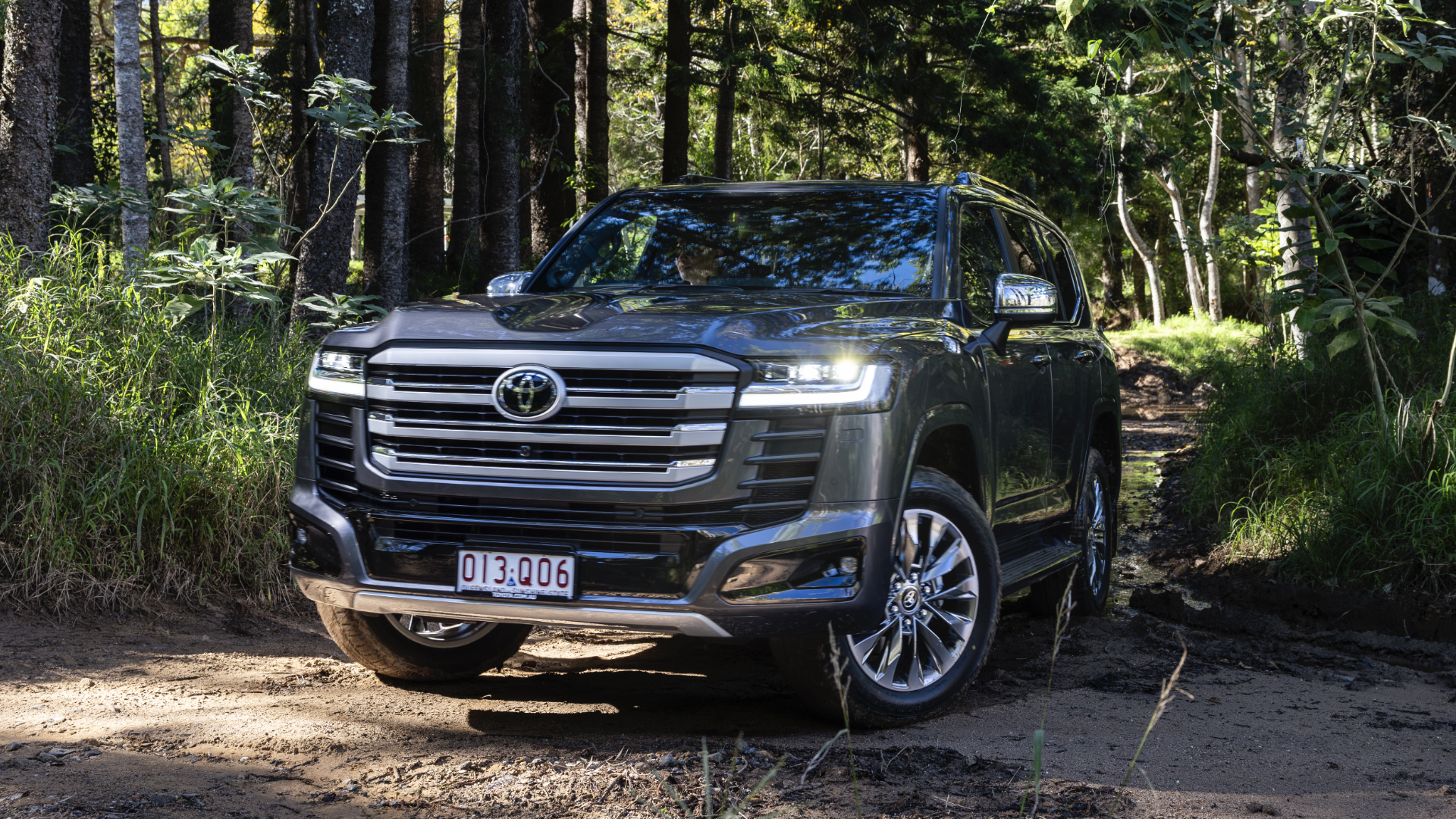
While modern vehicles like the Toyota HiLux and LandCruiser are highly capable 4WD's, they still have their limits.
Common Mistakes
- Driving into deep mud without recovery gear
- Attempting steep climbs without experience
- Crossing water without checking its depth
- Forgetting the impact that towing can have (caravans, trailers)
Expert Insight: Your setup matters, tyres, load and driver experience all play a role.
3. Why Is Driving Too Fast Off-Road Dangerous?
Speed is one of the leading causes of off-road damage.
Risks of Driving Too Fast
- Tyre blowouts
- Suspension wear
- Bent wheels
- Reduced reaction time
On corrugated Sunshine Coast hinterland tracks, hidden hazards can appear quickly.
Best Practice: Slow, controlled driving improves safety and vehicle longevity.
4. When Should You Engage 4WD?
Many drivers wait until they’re already stuck.
Engage 4WD Before:
- Soft sand
- Mud
- Steep inclines
- Rocky terrain
Modern Toyota models feature Multi-Terrain Select, helping drivers adapt to changing conditions.
5. What Recovery Gear Do You Actually Need?
Driving without recovery gear is a major risk.
Essential 4WD Recovery Kit
- Recovery points
- Recovery straps
- Rated shackles
- Air compressor
- Tyre deflator
- Shovel
- Recovery boards
Local Tip: Beach driving on the Sunshine Coast often requires recovery boards due to soft sand conditions.
6. Should You Walk Obstacles Before Driving Them?
Yes absolutely, it could save you from a stressful situation that could save you thousands.
Always Check:
- Water crossings
- Deep ruts
- Rocky ledges
- Steep inclines
A quick inspection helps you choose the safest line.
7. How Does Weight Distribution Affect Off-Road Driving?
Incorrect loading can drastically impact safety.
Common Issues
- Overloaded roof racks
- Exceeding GVM
- Uneven rear weight
- Towing beyond limits
Tip: Keep heavy items low and centred to improve stability.
8. Is It Safe to Drive Alone in Remote Areas?
Solo travel requires extra planning.
Safety Essentials
- Share your travel plans
- Carry extra water
- Bring recovery gear
- Use a satellite communication device
Remote Queensland tracks can quickly turn dangerous without preparation.
9. Why Are Pre-Trip Vehicle Checks Critical?
Many breakdowns are preventable.
Pre-Trip Checklist
- Tyre condition & spare
- Engine fluids
- Battery
- Suspension
- Lights
Dealership Insight: Regular servicing reduces the risk of costly off-road failures.
10. Is Momentum Always the Best Strategy Off-Road?
No, technique matters more than throttle.
The Better Approach
- Use low-range gearing
- Apply smooth throttle
- Maintain correct tyre pressure
- Focus on wheel placement
The most skilled off-roaders prioritise control over speed.
Comparison: Good vs Bad Off-Road Driving Habits
| Mistake | Better Approach |
| High tyre pressure | Adjust PSI to terrain |
| Driving fast | Controlled, slow driving |
| No recovery gear | Carry full recovery kit |
| Ignoring obstacles | Walk and inspect first |
| Poor loading | Balanced weight distribution |
FAQs
What tyre pressure is best for beach driving in Queensland?
Do I need recovery gear for beach driving?
Can I go off-roading solo?
What is the biggest beginner off-road mistake?
How do I avoid getting bogged?
What should I check before off-roading?
Is 4WD always necessary on the beach?
The Bottom Line
Off-roading isn’t about having the most modified vehicle, it’s about preparation, patience and smart decision-making.
Avoid these common mistakes and you’ll spend more time enjoying Queensland’s incredible tracks and less time dealing with breakdowns or recoveries.


