.png&w=128&q=75)


From Baby to Booster: Your Complete Guide to Child Car Seats in Queensland
Posted in Tips Tricks
When it comes to our kids, safety is non‑negotiable, especially in the car. But if you’ve ever found yourself standing in the baby aisle staring at a wall of car seats, wondering "Which one do I actually need?" or "What are the legal rules in Queensland?" you’re not alone.
Child safety restraint laws can feel confusing, particularly as children grow and recommendations change. This guide is designed to simplify it all. Below, we walk through everything Queensland parents and carers need to know about child car seats. From the minimum legal requirements to practical safety tips that go beyond the basics.
Why Child Car Seat Safety Matters
Motor vehicle accidents remain one of the leading causes of serious injury for young children in Australia. The good news? Correctly chosen and properly installed child restraints significantly reduce the risk of injury for your little ones.
But research consistently shows that many car seats are either used incorrectly or that children are moved into the next stage of child restraints too early. Understanding both the law and best‑practice safety guidance gives your child the best possible protection every time you drive.
Queensland Child Restraint Laws: The Basics
In Queensland, children must be secured in a properly fitted and approved child restraint whenever they travel in a vehicle. These laws are age‑based, but also involve height markers and manufacturer instructions, so its important to know not just the law but what is best for your child.
Key points to know:
- Child restraints must comply with Australian and New Zealand Safety Standards
- Children must be seated in the appropriate restraint for their age and size
- Drivers are responsible for ensuring children are correctly restrained
- Penalties apply for non‑compliance
Please note: This information is general in nature and reflects Queensland road rules at the time of writing.
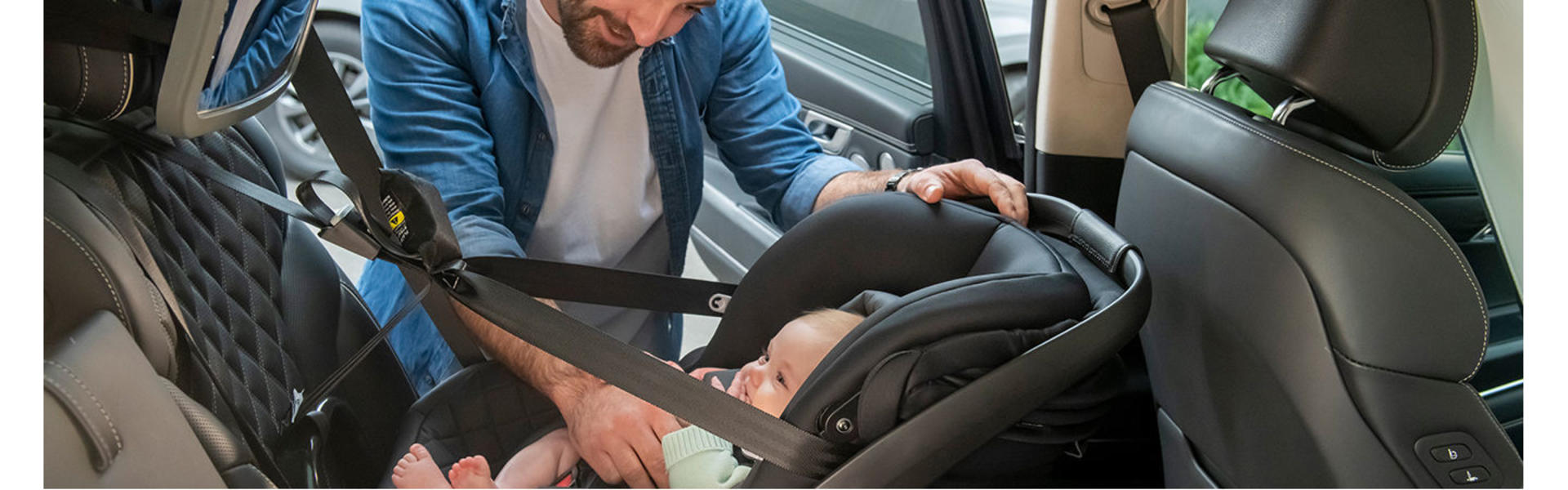
Photo Credit: Britax Australia
Child Restraint Types Explained (By Age and Stage)
Rearward‑Facing Restraints
Typically: Birth to at least 6 months (recommended much longer)
Rearward‑facing seats provide the highest level of protection for babies and young children because rear-facing protects the head, neck and spine in the event of an accident. While Queensland law sets a minimum age, safety experts recommend keeping children rearward‑facing for as long as possible within the seat’s height limits (often until 2–4 years of age).
Why it matters: Young children’s necks are still developing. Rearward‑facing seats dramatically reduce injury risk should they be involved in a crash.
Forward‑Facing Restraints (With Internal Harness)
Typically: From 6 months until the child outgrows the seat
Once a child outgrows their rearward‑facing seat, they may move into a forward‑facing restraint with an in-built 5-point harness. These seats spread crash forces across the strongest parts of the body.
Important: Height markers on the seat (not just age of your child) determine when it’s time to move on to the next stage.
Booster Seats
Typically: From 4 years until at least 7 years
Booster seats are designed to position the adult seatbelt correctly across a child’s body. Most children will need a booster well beyond the minimum age requirements.
There are two main types:
- High‑back boosters (offer added head and side protection)
- Backless boosters (best suited to vehicles with headrests)
Adult Seatbelts
Children can legally use an adult seatbelt once they’ve outgrown their booster seat, but as mentioned previously legal doesn’t always mean safe.
A helpful guideline is the 5‑Step Test, which checks whether:
- The child can sit back against the seat
- Knees bend naturally at the edge
- Lap belt sits low across the thighs
- Shoulder belt crosses the chest (not the neck)
- The child can stay seated correctly for the whole trip
**NOTE: Most children don’t pass this test until around 10–12 years old.

Photo Credit: Raising Children Network
Common Car Seat Mistakes Parents Don’t Realise They’re Making
Even well‑intentioned parents can unintentionally reduce a car seat’s effectiveness by making one of these common mistakes, including:
- Moving a child into the next seat too early
- Loose harnesses or twisted straps
- Bulky jackets worn under harnesses
- Incorrect anchor points or tether straps
- Using second‑hand seats with an unknown history
These small details can make a big difference in a crash.
Choosing the Right Car Seat for Your Child and Your Car
Not all car seats fit all vehicles and not all seats suit all children equally.
When choosing a child safety restraint, you should consider:
- Your child’s current height and growth rate
- Vehicle compatibility (including anchorage points)
- Seat installation method (for example ISOFIX vs seatbelt)
- Ease of correct daily use
A more expensive seat isn’t automatically safer... a well‑fitted, correctly used seat is what matters most.
Installation and Professional Fitting: Why It’s So Important
Studies consistently show a high rate of incorrectly installed child restraints. Even minor fitting errors can compromise safety.
Professional fitting services can:
- Ensure the seat is compatible with your vehicle
- Correctly install the restraint
- Adjust harnesses as your child grows
- Provide peace of mind
It’s recommended to re‑check installation after:
- A car accident
- Reinstalling the seat
- Significant growth milestones
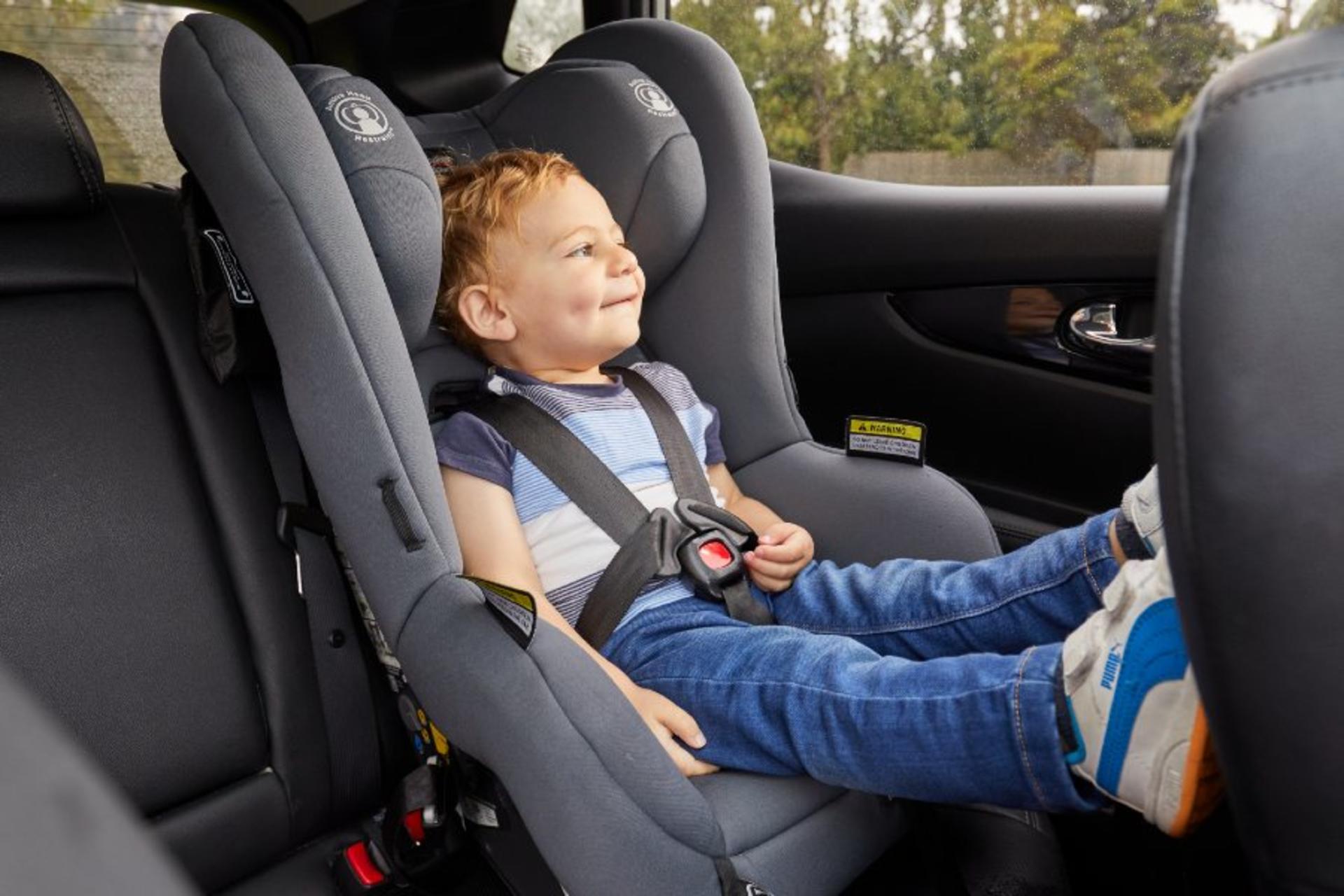
Photo Credit: RACV
When Should You Replace or Upgrade a Car Seat?
A car seat should be replaced if:
- Your child exceeds the height markers
- The restraint has been involved in a crash
- It’s past its manufacturer expiry date
- There’s visible damage or wear
Even if a seat looks fine, internal damage after an accident can reduce its effectiveness.
Helpful Resources for Queensland Parents
If you’re unsure or want to double‑check something, reliable resources include:
- Queensland Government child restraint guidelines
- Authorised restraint fitting stations (often available at places like Baby Bunting)
- Manufacturer instruction manuals
- Trusted child passenger safety professionals
Final Thoughts: Safety Over Speed
When it comes to child restraints, there’s no prize for moving up quickly. Keeping children in each stage for as long as safely possible provides the best protection for your child, even if the law allows otherwise.
If you’re ever unsure, trust your instincts and seek guidance. A few extra minutes checking a harness or booking a fitting could make all the difference.
Your child’s safest journeys start before you even turn the key.


